Kenyans have been warned to brace for an increased risk of cholera, typhoid and aflatoxin poisoning as the country prepares for the expected El Niño rains.
The State Department for Public Health and Professional Standards said heavy rains, flooding and high humidity experienced during previous El Niño seasons had been linked to a rise in food-borne illnesses.
Further, the advisory issued on Monday, September 28, urged households, food vendors and estates to begin preparations before the rains intensify, particularly in areas vulnerable to flooding and water contamination.
One of the major risks is contaminated drinking water, with the government warning that flood water could mix with sewage and contaminate shallow wells, boreholes and piped water, creating conditions for diseases such as cholera and typhoid to spread.
“Stock WaterGuard or chlorine tablets, clean and cover all water storage tanks and jerry cans, and prepare a separate clean, covered container specifically for drinking water,” the government advised.
The government also flagged aflatoxin poisoning as a risk during the rainy season, warning that high humidity could encourage mould growth on maize, groundnuts and animal feed
Households have been advised to ensure maize flour, maize grains, groundnuts and beans are completely dry before storing them off the floor on pallets or shelves and keeping them in airtight containers.
“Food could spoil faster during the rains because of power outages, which may disrupt refrigeration and cause milk, meat and leftovers stored in fridges and freezers to become unsafe,” the government warned.
Families have therefore been encouraged to prepare their kitchens by stocking airtight containers for leftovers as well as soap, handwash and sanitiser, with the government emphasising handwashing as an important defence against food-borne illnesses.
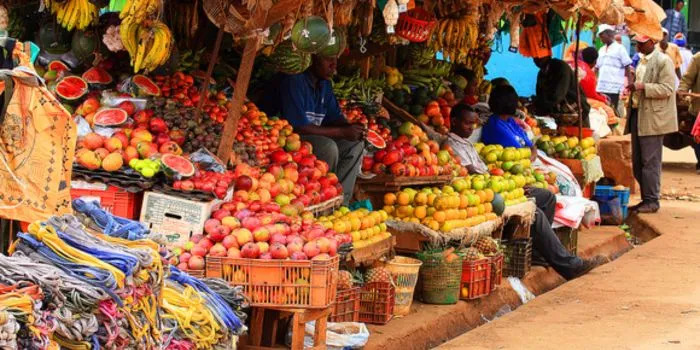
Food businesses and mama mbogas have also been advised to raise food off the ground, keep it covered and ensure proper drainage around their stalls, while food handlers have been urged to have their medical certificates ready as county inspections increase.
The government also warned that major markets could flood, exposing food to dirty water, mud and flies. Community Health Promoters and Nyumba Kumi teams have consequently been asked to organise drainage clean-ups and sensitise residents on the importance of boiling water before the rains begin.
This comes as the government steps up preparations for the expected El Niño rains, including mapping flood-prone areas, clearing and improving drainage systems, and identifying measures to protect communities from flooding and the spread of water-borne diseases.
The preparations are aimed at reducing the impact of heavy rains, particularly in areas considered vulnerable to flooding and related health risks.
About The Author